
SEATING ASSESSMENT, THE IMPORTANCE OF THE RIGHT CHAIR.
Specialist seating needs to ensure it offers postural support, comfort, pressure relief and promote the sitting persons independence.


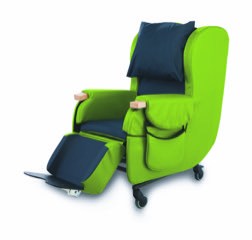
(Chair imagery courtesy of Repose Specialist Seating Solutions)
Why is the right chair important?
Without the correct seating your health can significantly decline; mobility will reduce, posture becomes problematic, respiratory dysfunction can occur, digestive tract issues, nutrition and hydration in-take can decrease, pressure areas may develop. You can become immobile; the correct seating can maintain your overall health and well-being.
Why have a seating assessment?
A seating assessment should only be completed by the trained professional who has expertise in seating, range of movement, posture, positioning and tissue viability. We are anatomically and physiologically qualified as OT’s to complete a seating assessment.
Why would you have an Occupational Therapist (OT) complete the seating assessment?
OT’s are trained both anatomically and physiologically. To put it simply we understand the body and how it works and the how the environment interacts with seating.
Why not just get the sales representative in to do things?
A sales representative is knowledgeable about the product – the chair. They know how to adjust and alter it and set it up and repair seating. They are familiar with the optional extras for the chair. They work for the company and some may get commission for selling chairs. A representative is not trained in human anatomy and physiology. They won’t have an OT degree or be HCPC registered.
An OT remains un-biased regarding the product and there is no conflict of Interest. We will ensure you have the correct seating to manage and maintain your long-term health needs within your given environment.
Comprises of a physical examination by therapist and a full medical history
Assessing the stability of the pelvis i.e. palpate the pelvis, range of movement, postural position regarding swallowing etc
Consider the environment
Consider the longer term factors and change in needs
Pressure relief considerations
Fit and try different chairs during the assessment
Trial specialist seating in the home with client for period of time
Leave documentation for staff to complete during the trial
OT to analyse documentation and get verbal feedback from staff
Professional recommendation made for appropriate and correct seating
Obtain quote, including additional quotations upon request
OT to check the assessed specification is all correct
When chair is delivered by representative/ company
- OT supports with the fitting and staff care planning/ training regarding use. An OT will also advise and approve regarding the use of appropriate lap belts or harnesses (this can be a restriction of liberty).
No two cases will be the same – Please see our case studies section for further information of how this can benefit.
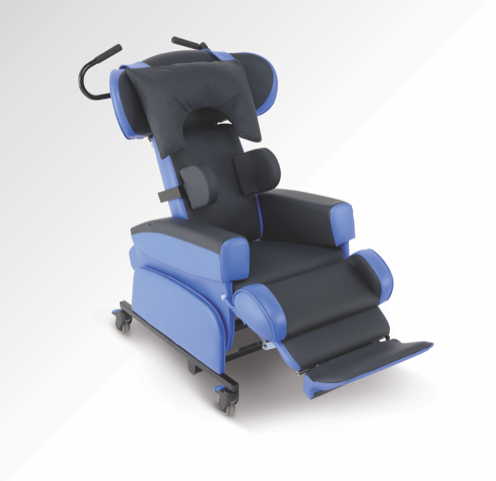

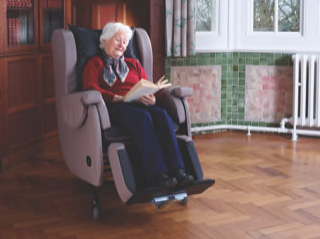
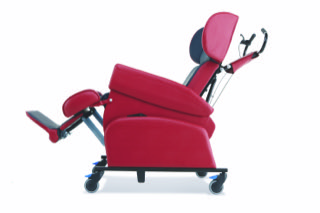
(Chair imagery courtesy of Careflex Chairs)